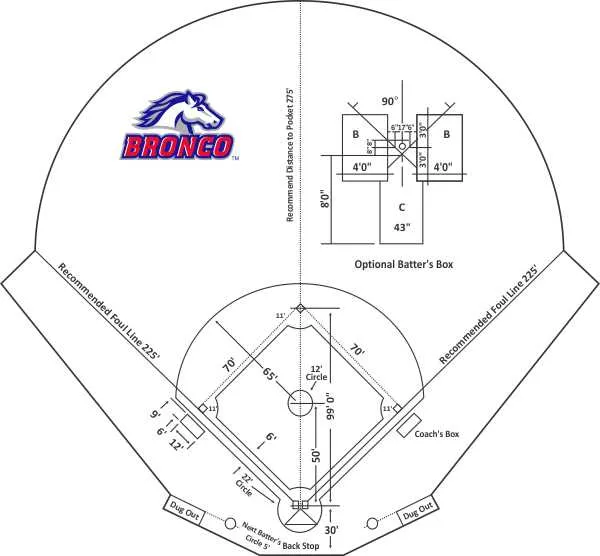
The official dimensions for a Little League field prioritize safety, player development, and fair play. The pitching mound sits 46 feet from home plate, with a 60-foot base path, which offers a manageable distance for younger players to build their skills. The outfield fence typically lies 200 feet from home plate, though this can vary depending on local regulations.
The infield layout includes a 90-foot diameter for the base paths, ensuring proper spacing for fielders and base runners. A well-maintained dirt infield allows players to develop fundamental skills while keeping the action smooth. The outfield grass should be trimmed regularly to ensure consistent ball rolls and prevent injuries.
The batter’s box measures 3 feet by 7 feet, and the pitcher’s rubber is set 6 inches above the surrounding dirt. These details are critical for maintaining consistency across games. For safety, the dugouts should be located beyond the first and third base lines, keeping players away from foul balls and providing easy access to the field.
Each field’s layout should meet these specifications, ensuring a standardized experience for players at all levels. Adjustments for local conditions can be made, but staying within these recommended guidelines ensures the integrity of the game and the development of young athletes.
Little League Field Specs
The pitching distance for a Little League field is 46 feet from the rubber to home plate. This distance is key for maintaining fair competition, ensuring players develop accurate pitching skills while still allowing for hits. The base paths measure 60 feet between each base, which helps optimize base running and fielding practice for younger players.
The distance between the foul poles is typically 200 feet, with the outfield grass extending to about 225 feet in center field. These measurements offer a balance between a manageable outfield and encouraging player engagement on both sides of the diamond. The infield is a square with four 60-foot sides, facilitating quick transitions between fielders and base runners.
When setting up the mound, the height should be 8 inches, which is crucial for proper mechanics and pitching technique. Field dimensions should be maintained consistently across all levels of Little League to create a standard playing environment that helps young athletes refine their skills.
It’s important to align the field’s orientation so that the sun doesn’t interfere with player vision during key moments like batting or catching. The ideal alignment is with the batter facing east, helping reduce glare. When constructing or renovating a Little League field, always make sure the surface is smooth and free of obstructions for player safety.
Dimensions and Layout for Baseball and Softball Fields
The distance from the pitcher’s mound to home plate in Little League baseball is 46 feet. For softball, this distance is 43 feet. Both distances are standard across most fields, but adjustments can be made depending on specific league requirements.
The infield for both baseball and softball has a diamond shape. The distance between bases is 60 feet in baseball, and 65 feet in softball. The outfield dimensions vary by league, but typically the outfield fence is 200-225 feet from home plate for baseball, and 200-220 feet for softball.
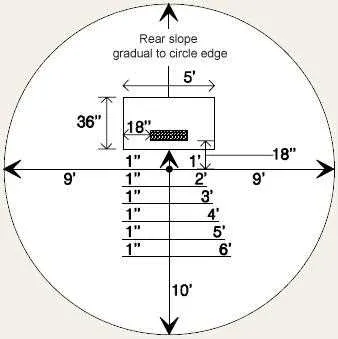
The pitcher’s mound in baseball stands 6 inches above the field and is 10 feet in diameter. In softball, the pitching circle has a 16-foot diameter, with the mound being flat rather than raised.
For a well-laid-out field, the foul lines should extend from home plate at a 90-degree angle, and the backstop should be at least 25 feet behind home plate. The dugouts must be positioned along the first and third baselines, ensuring enough space for players to enter and exit safely.
Each field needs to have a clear boundary for foul balls, often marked with flags or lines, to prevent confusion. The overall layout should offer a smooth transition between base areas and outfield, ensuring player safety and field accessibility.
Required Equipment and Field Markings
The little league field requires specific equipment to ensure safe and consistent play. The field must have a regulation-size baseball diamond with clearly defined boundaries. Markings should be visible and accurate, including the base paths, foul lines, and pitcher’s mound.
- Baseballs: Use a standard little league baseball with a leather cover and raised seams.
- Bats: Bats must meet league regulations for material and size. Typically, they should be made from aluminum or composite material and must not exceed 33 inches in length.
- Gloves: Players should wear appropriate fielding gloves. Catchers need specialized mitts, while fielders require gloves that are flexible enough for catching but provide control.
- Helmets: Batting helmets are required for safety, featuring ear protection on both sides for both batter and base runners.
- Catcher’s Gear: A complete set includes a mask, throat guard, chest protector, and shin guards.
Field markings need to be clear and consistent. The key markings include:
- Foul Lines: Extend from the back of the home plate to the outfield fence or boundary. These lines should be at least 3 inches wide and clearly visible.
- Base Paths: Mark paths from each base to the next. The base paths should be 90 feet long on a regulation field.
- Pitcher’s Rubber: Place this at 46 feet from the back of home plate. Ensure it is level with the rest of the field surface.
- Diamond Shape: Ensure bases are 90 feet apart in a perfect square, with a 60-foot distance from the pitcher’s rubber to the home plate.
- Outfield Fences: Mark boundaries at 200 feet to 225 feet from home plate, depending on age group.
Having the right equipment and accurate markings ensures safe play and meets league standards.
Safety Standards and Maintenance Recommendations
Regularly inspect the field for any hazards such as exposed metal, sharp objects, or uneven surfaces. Replace damaged or worn-out turf, particularly around base areas, to avoid tripping. Check for holes or divots on the field and repair them to prevent injuries from players stumbling.
Ensure that all fences and backstops are padded and free of any protruding bolts or edges. Padding should cover the bottom and top sections of fences, especially near high-traffic areas where players are most likely to come into contact.
Examine the dugouts to make sure they are structurally sound, with secure seating and no sharp corners or edges that could cause harm. Ensure there is a clear path for players to exit the dugout quickly in case of an emergency.
Install a reliable lightning detection system and have an emergency evacuation plan in place. Make sure all players, coaches, and parents are aware of the protocol for severe weather conditions.
Maintain proper field markings by repainting lines as needed and ensuring they are clearly visible in both daylight and under stadium lighting. This ensures that players can navigate the field effectively and reduces confusion during play.
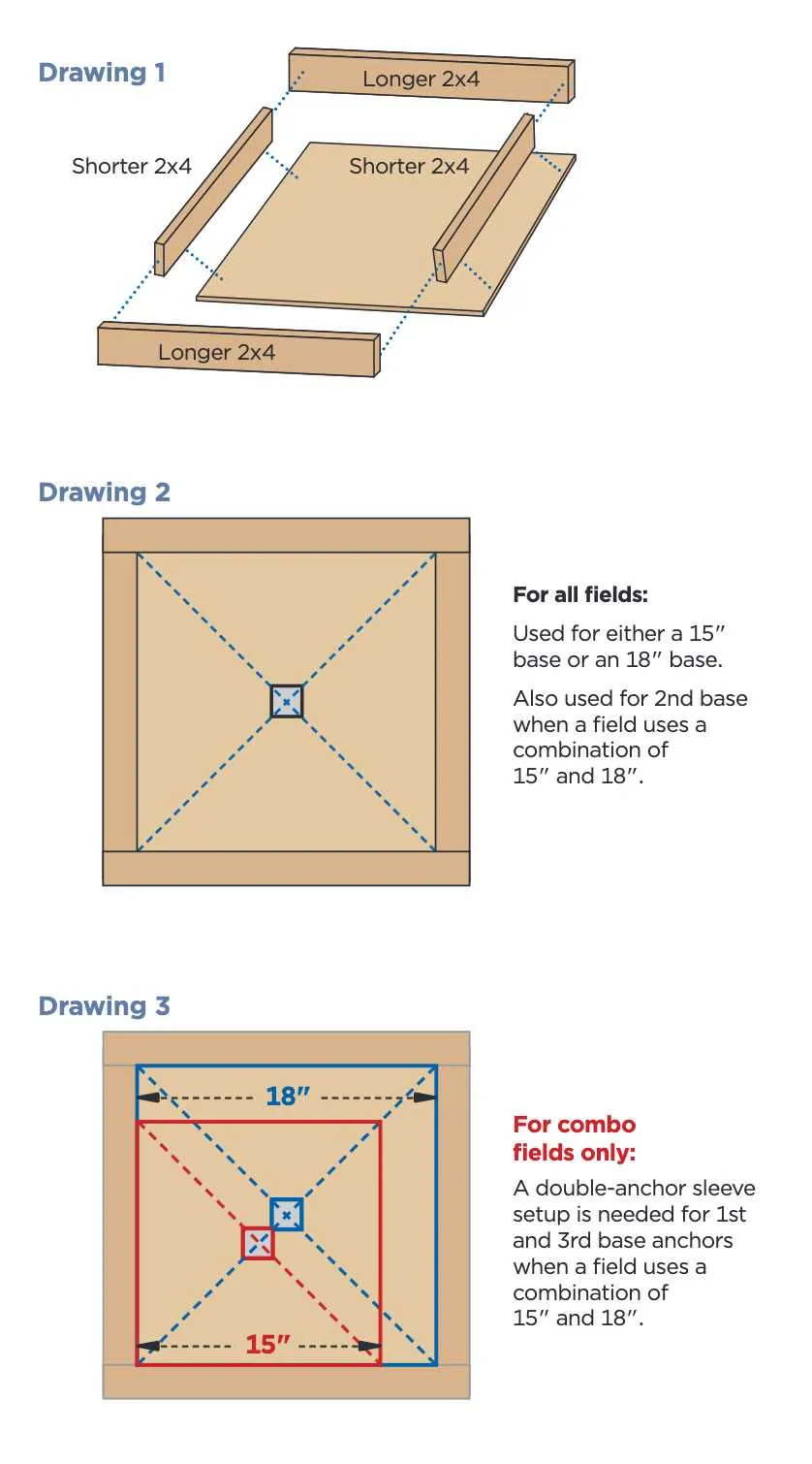
Regularly clean and maintain all equipment used on the field, such as bases and pitching mounds. Check that bases are securely anchored to prevent them from moving during play, and inspect the mound for any cracks or uneven surfaces.
Train all personnel to spot safety issues and address them immediately. It’s a good practice to conduct regular safety drills to ensure quick, efficient responses in case of an accident or injury.