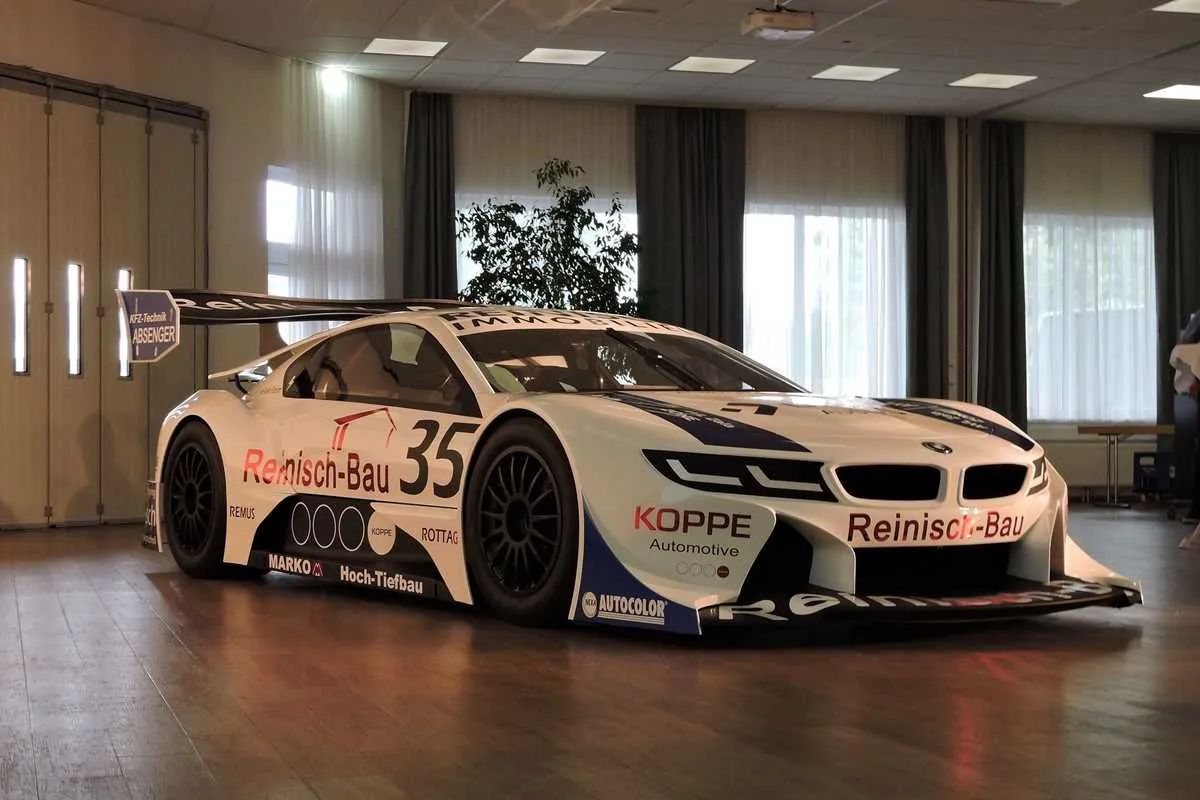
The BMW i8 combines futuristic design with impressive performance. Its hybrid powertrain delivers a dynamic driving experience, thanks to the combination of a gasoline engine and an electric motor. The i8 is equipped with a 1.5-liter turbocharged 3-cylinder engine paired with an electric motor, producing a total of 369 horsepower and 420 Nm of torque. This setup allows the i8 to accelerate from 0 to 60 mph in just 4.2 seconds.
The petrol engine delivers 228 horsepower, while the electric motor contributes an additional 141 horsepower. Together, they provide a smooth yet powerful driving performance, with the ability to drive short distances solely on electric power. With a top speed of 155 mph, the i8 offers an exhilarating ride without compromising fuel efficiency.
BMW’s innovative eDrive technology optimizes power delivery between the electric motor and the petrol engine, ensuring seamless transitions and maximum performance. Whether driving on highways or winding roads, the i8 maintains an impressive balance of power, handling, and efficiency, making it a standout option for those seeking a modern sports car with hybrid capabilities.
BMW i8 Motor Specs
The BMW i8 is powered by a hybrid system that combines a 1.5-liter three-cylinder petrol engine with an electric motor. The petrol engine delivers 231 horsepower and 320 Nm of torque, while the electric motor produces 131 horsepower and 250 Nm of torque. Together, they produce a total output of 362 horsepower and 570 Nm of torque.
The electric motor is powered by a 7.1 kWh lithium-ion battery, offering an electric-only range of up to 55 kilometers (34 miles). The i8 can accelerate from 0 to 100 km/h (62 mph) in just 4.4 seconds, showcasing its impressive acceleration capabilities.
The combination of the petrol engine and electric motor allows the i8 to balance performance with efficiency. The hybrid system provides smooth power delivery, while the torque from both motors ensures rapid acceleration. The car’s energy recuperation system further enhances its efficiency by capturing energy during braking.
The i8 features an all-wheel-drive system, with the electric motor powering the front wheels and the petrol engine driving the rear wheels. This setup ensures enhanced traction and stability, making the i8 a dynamic and responsive vehicle on both city roads and highways.
With a combined fuel consumption of around 2.1 L/100 km (112 MPG), the BMW i8 stands out for its eco-friendly performance without compromising on power. The integration of BMW’s eDrive technology allows for seamless transitions between electric and petrol power, ensuring a smooth driving experience in any situation.
Power Output and Performance Metrics of the BMW i8 Engine
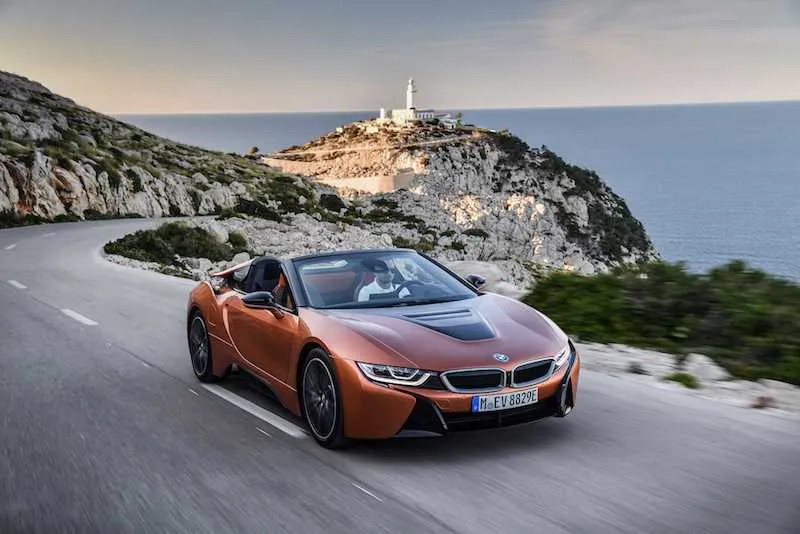
The BMW i8 is powered by a hybrid engine combining a 1.5-liter turbocharged 3-cylinder petrol engine and an electric motor. This dual-power setup provides an impressive balance between efficiency and performance.
The petrol engine delivers 231 hp (170 kW) and 320 Nm of torque, while the electric motor contributes an additional 131 hp (96 kW) and 250 Nm of torque. Together, they produce a total system output of 362 hp (266 kW) and 570 Nm of torque.
Acceleration from 0 to 100 km/h (0-62 mph) is achieved in just 4.4 seconds, showcasing the i8’s strong performance. The combined system allows the i8 to accelerate smoothly and rapidly, whether on urban roads or highways.
The car’s top speed is electronically limited to 250 km/h (155 mph), a typical figure for sports cars in its class. Thanks to the electric motor’s instant torque delivery, the BMW i8 offers a responsive and dynamic driving experience, with plenty of power for overtaking and high-speed cruising.
When it comes to efficiency, the i8 performs exceptionally well. With a range of approximately 40 kilometers (25 miles) on electric power alone, it strikes a balance between performance and fuel economy. The combined fuel consumption averages 2.1 liters per 100 km (112 mpg US) under optimal conditions, making it a leader in the hybrid sports car segment.
- Petrol Engine: 231 hp (170 kW), 320 Nm of torque
- Electric Motor: 131 hp (96 kW), 250 Nm of torque
- Total System Output: 362 hp (266 kW), 570 Nm of torque
- 0-100 km/h (0-62 mph): 4.4 seconds
- Top Speed: 250 km/h (155 mph)
- Electric Range: 40 km (25 miles)
- Fuel Efficiency: 2.1 liters per 100 km (112 mpg US)
This combination of performance metrics and efficiency makes the BMW i8 a unique choice for those who seek a high-performance vehicle that is also environmentally conscious.
Battery and Hybrid System Impact on BMW i8 Motor Efficiency
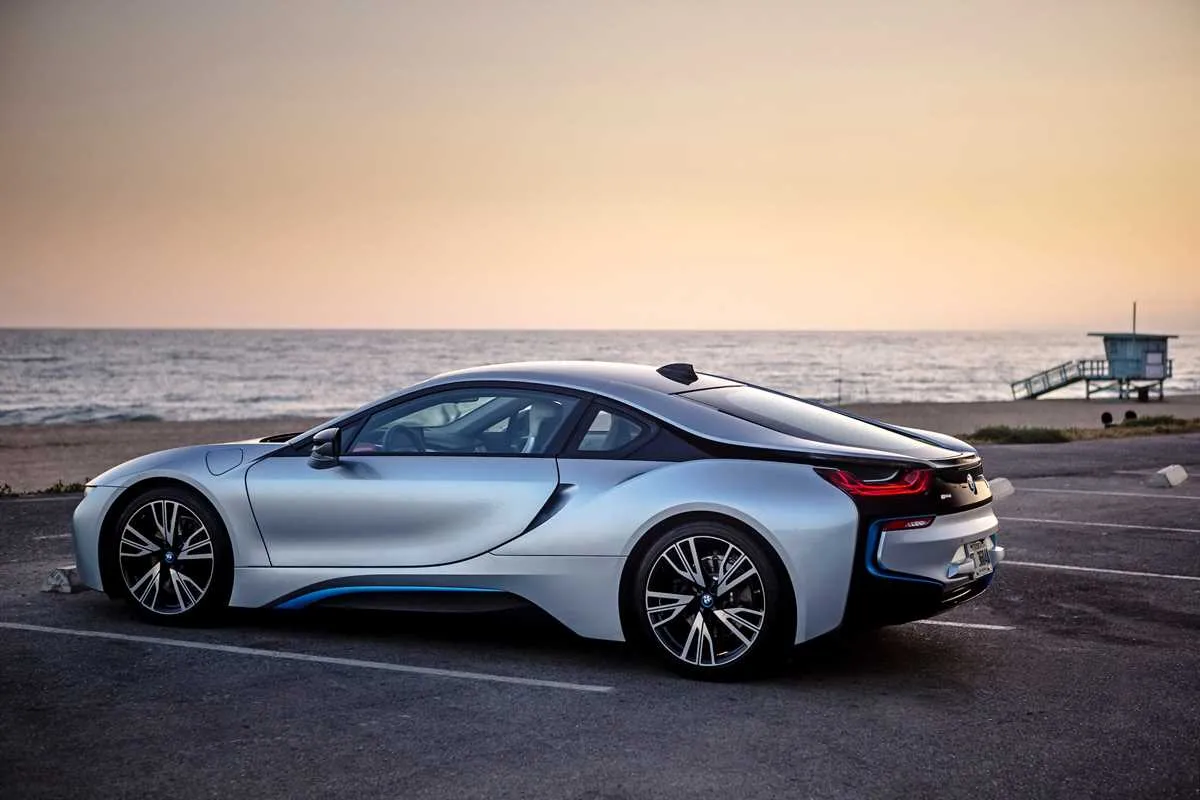
The BMW i8’s hybrid system optimizes fuel consumption and performance by integrating a high-performance electric motor with a gas engine. The lithium-ion battery plays a critical role in this system, offering an electric-only range for city driving and assisting the gas engine for additional power during acceleration. This combination reduces reliance on the internal combustion engine and enhances overall efficiency, especially in urban environments where electric power alone can handle most of the driving needs.
The i8’s electric motor provides a smooth, quiet drive and significantly lowers fuel consumption under low-speed conditions. The battery’s ability to recharge through regenerative braking and during deceleration means the car remains efficient without the need for frequent external charging, especially in daily use. This feature allows the BMW i8 to seamlessly switch between power sources, maintaining efficiency without sacrificing driving experience or power delivery.
At higher speeds, the petrol engine kicks in, providing additional power when needed. The synergy between the two powertrains ensures the car remains agile and responsive while keeping emissions low compared to traditional vehicles with similar performance. The hybrid system’s intelligent control dynamically balances the load between the electric motor and petrol engine, providing optimal performance and fuel efficiency throughout different driving conditions.
The battery size and power management system are key in ensuring the i8 delivers maximum efficiency. A fully charged battery allows for electric-only operation, contributing to reduced fuel consumption in city traffic, while the hybrid system enables long-distance capability without range anxiety. Together, these components elevate the i8’s performance without compromising on sustainability.
Comparison of BMW i8 Motor Specs with Other Electric Sports Cars
The BMW i8’s hybrid powertrain combines a 1.5L turbocharged engine with an electric motor, producing a total output of 369 horsepower. This setup enables a 0-60 mph time of just 4.2 seconds. When compared to other electric sports cars, the i8 stands out with its balance between performance and fuel efficiency, but it does lag behind in raw power output and acceleration speed compared to fully electric rivals.
Take the Tesla Roadster, for example. With its dual electric motors generating over 1,000 horsepower, the Roadster accelerates from 0 to 60 mph in under 1.9 seconds. While the i8’s hybrid engine offers a more conventional driving experience with internal combustion and electric power working together, the Tesla is purely electric, pushing the limits of acceleration and power for electric vehicles.
Another contender is the Audi e-tron GT, which features dual electric motors with a combined 637 horsepower in the RS variant. This enables it to hit 60 mph in around 3.1 seconds, a noticeable improvement over the i8, although it still doesn’t quite match the Tesla Roadster. The Audi, however, offers superior interior space and comfort compared to the i8, which focuses more on a lightweight, performance-oriented design.
The Porsche Taycan, a direct competitor to the i8 in terms of handling and performance, boasts up to 750 horsepower in the Turbo S variant, with a 0-60 mph time of just 2.4 seconds. This gives the Taycan a clear advantage in acceleration and track performance, showcasing how electric motors can outperform hybrids in the performance department.
While the BMW i8 offers a more refined driving experience with its hybrid system, which blends the efficiency of electric power with the driving dynamics of a petrol engine, it falls behind in straight-line speed and power against fully electric competitors. If raw power and acceleration are the priority, options like the Tesla Roadster and Porsche Taycan will deliver more thrill. However, for those who seek a more balanced, hybrid approach with a focus on luxury and style, the i8 still holds its own.