
Writing a spec script requires a clear, structured approach. Focus on formatting first. Use proper industry standards for margins, font size, and line spacing. 12-point Courier font, 1.5-inch left margin, and 1-inch top and bottom margins are typical. Consistency in formatting enhances readability and ensures that your script aligns with expectations.
Next, consider the plot. A spec script must be tight and focused, often featuring a high-concept idea that grabs attention. Aim for an engaging premise that could fit within an existing TV series or movie franchise. The plot should be easy to summarize in one or two sentences, making it clear what the story is about without relying on overly complex twists.
Character development is key. Introduce compelling characters early on and keep them consistent throughout the script. Strong dialogue that reflects each character’s personality helps to build a connection with the reader. Avoid unnecessary exposition, and let the characters’ actions and words speak for themselves.
Finally, remember that the spec script serves as a sample of your writing style and storytelling abilities. Keep the pacing tight and avoid padding. Each scene should move the story forward, and every line of dialogue should have a purpose. A well-written spec script can leave a lasting impression, showcasing your ability to tell a compelling story efficiently.
Spec Script Example
Focus on clarity and precision when writing a spec script. Begin with the action that grabs attention. A simple, clear description of the scene sets the tone. Avoid over-explaining–let the dialogue and actions speak for themselves. Use present tense for the entire script. This keeps the flow immediate and engaging, reflecting the real-time nature of the scene.
Each character’s name is capitalized above their dialogue. Maintain consistency throughout the script. Keep dialogue concise, avoiding lengthy monologues unless absolutely necessary. Readers and producers appreciate efficiency. The formatting should be clean and easy to read–use industry-standard screenplay software for this purpose.
For example, if the scene opens in a busy city street, describe it briefly and move into the action. Include only what’s relevant to the story–details that build the world, not extraneous information. This applies to characters as well: only introduce those who move the plot forward, and be brief in character descriptions. Focus on what the audience needs to know at that moment.
Transitions should be simple but effective. Words like “CUT TO:” or “DISSOLVE TO:” are used sparingly, only when a scene change is needed. Keep it direct, and don’t overwhelm the script with excessive transitions. The emphasis should always be on pacing and visual storytelling.
Finally, remember that the script is a blueprint, not the finished product. It should allow room for interpretation while being specific enough to communicate your vision clearly. Every choice you make–from character movement to dialogue–should be purposeful and move the story forward.
How to Structure a Spec Script for TV Shows
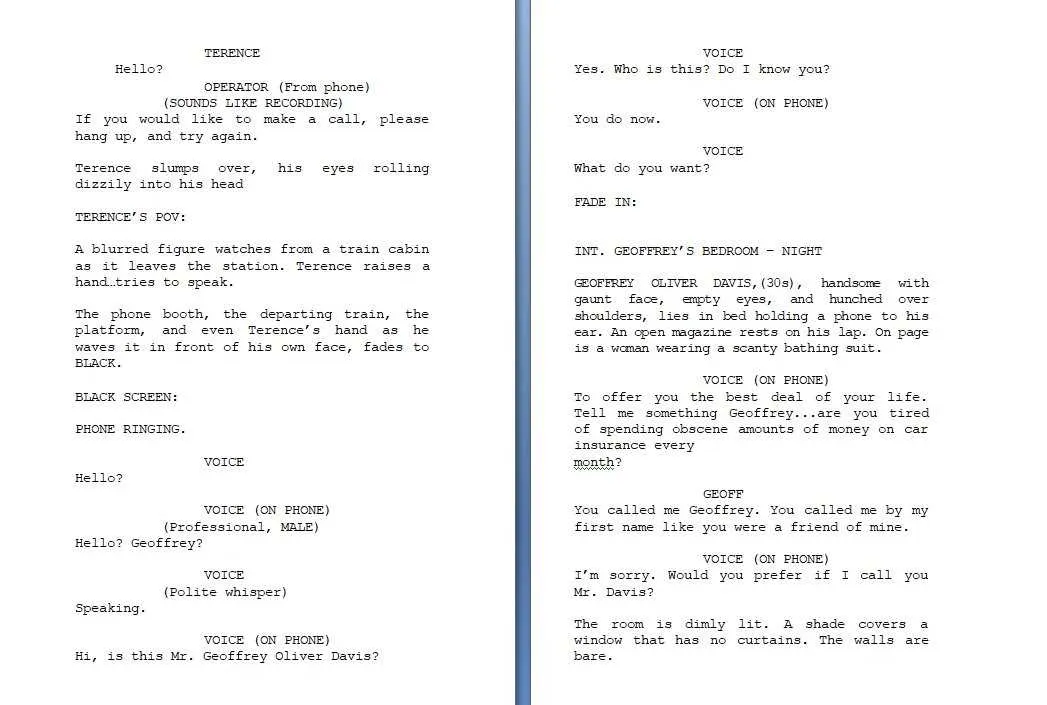
Begin with the first act, where you introduce the main characters, the setting, and the central conflict. Clearly establish the premise early, giving the audience enough context to understand the stakes. Keep the pacing tight and avoid long-winded explanations or backstory dumps.
Follow with a clear plot progression. Each act should build tension, moving the story forward. The second act is often the meat of the episode, where complications arise, and the protagonist struggles against mounting obstacles. Ensure that the conflict escalates, leading to a critical turning point before the resolution.
- Act One: Establish the world, introduce characters, and lay out the central problem.
- Act Two: Deepen the conflict, complicate the stakes, and push characters toward tough decisions.
- Act Three: Resolve the conflict in a satisfying way, tying up loose ends while leaving room for future storylines.
Stick to the standard TV script format. Use 12-point Courier font with 1.5-inch margins all around. Include character names in uppercase and dialogue beneath them. For action lines, describe only what’s essential for the plot. Avoid camera directions unless absolutely necessary.
The dialogue should reflect the character’s personality, pushing the narrative forward without unnecessary filler. Keep it sharp and focused. Aim for natural, engaging exchanges between characters that reveal both plot and character development.
- Keep action lines short and concise, focusing on what’s critical for the scene.
- Character motivations and backstory should be hinted at through dialogue and action, not exposition.
End with a solid resolution that resolves the episode’s central conflict while leaving potential for future episodes. The conclusion should feel earned and satisfying, with any questions posed in the story answered without overexplaining.
Finally, read through your script multiple times. Trim excess, and ensure that every line of dialogue and action serves a purpose in advancing the story. A well-structured spec script reflects both the character of the show and the potential for the writer to understand the dynamics of television storytelling.
Common Mistakes to Avoid in Writing Spec Scripts

Don’t over-explain. Spec scripts are a visual medium, and most details should be conveyed through action and dialogue. Avoid lengthy descriptions that slow the pacing. Keep it brief and show rather than tell.
Keep your focus sharp. Avoid introducing unnecessary subplots or characters that don’t serve the main story. Every element in the script should contribute to the narrative and character development.
Don’t make the mistake of writing a script that’s too complicated. Spec scripts should be easy for producers and agents to read. Stick to straightforward formatting and ensure your dialogue is concise and impactful.
Resist the urge to write on the nose dialogue. Real people don’t always say exactly what they mean, so avoid making your characters too obvious. Instead, let their actions and subtext reveal their motivations.
Avoid ignoring genre conventions. If you’re writing a comedy, make sure it’s funny. If it’s a thriller, build suspense. Spec scripts should clearly indicate the genre without forcing it. Don’t forget to give your script a clear tone from the beginning.
Don’t fall into the trap of writing your characters as archetypes. Characters need depth. Give them flaws, desires, and conflicts that make them feel real and multi-dimensional.
Don’t forget pacing. The plot should move at a steady pace, with no long, dragging scenes. Readers should feel engaged from the first page to the last, with a balance between action, dialogue, and character development.
Watch out for cliches. Avoid overused tropes and predictable storylines. Spec scripts that feel fresh and original are more likely to stand out. Think outside the box and find unique angles.
Lastly, don’t rush the ending. A rushed conclusion can leave a bad impression. Make sure the resolution feels earned and ties up the central conflict in a satisfying way.
How to Format Dialogue and Action in a Spec Script
Keep dialogue centered on the page. The character’s name should appear in uppercase, positioned above their lines. Leave enough space between the name and the dialogue to keep it easily readable. For example:
CHARACTER NAME
This is what they say.
Always write dialogue in present tense. Avoid stage directions or long descriptions in the dialogue portion. If your character has a pause or emotion, indicate it with simple parentheticals, but don’t overuse them. Here’s how it looks:
CHARACTER NAME
(angry)
This is what they say.
When you describe action or scenery, place it in the action description section. Use standard margins (1.5 inches on the left, 1 inch on the right), and ensure it’s written in a straightforward, cinematic way. Action text should describe what the reader will see, not what the character is thinking. Keep descriptions brief, focusing on key visual elements.
INT. LIVING ROOM - DAY
A storm rages outside. Rain beats against the windows. JOHN stands by the fireplace, staring at the photo of his late wife.
Use present tense for actions as well, just like with dialogue. If the scene shifts, describe it in a clear, simple manner. Keep character movements and environmental details concise yet vivid. Avoid unnecessary detail that doesn’t advance the scene or mood. For example:
JOHN walks across the room and picks up the phone.
For transitions, keep them simple and direct. Use words like “CUT TO:” or “DISSOLVE TO:” for shifts between scenes. These should be in uppercase to stand out, but don’t use them excessively. Instead, focus on the scene flow. Here’s how:
CUT TO:
EXT. PARK - DAY
In spec scripts, the focus is on keeping everything clear and easy to follow. Stick to the basics: name, action, and dialogue. Don’t clutter the page with nonessential information or formatting tricks that might distract from the story itself.